People rarely come in asking for a brand name the first time. They come in with a mirror photo and a feeling: the forehead feels heavy by 3 p.m., the 11s won’t let go, or the crow’s feet look deeper than last summer. Then the practical questions arrive, like whether Botox or Dysport will give a smoother, more natural result, and how much it costs to keep up with maintenance without committing to a high-visibility look.
I’ve injected both products for years across all the usual zones, and a few special cases. The short answer is that both work, both are safe in trained hands, and neither is universally better. The long answer is where the wins happen, because subtle differences in diffusion, onset, dosing, and muscle behavior matter, especially if you care about expressive movement and longevity.
What you’re choosing between
Botox and Dysport are both botulinum toxin type A. They relax targeted muscles by blocking acetylcholine release at the neuromuscular junction. That common mechanism explains why their results often look similar in before and after photos. The differences live in the details: protein complexes, reconstitution preferences, how they spread in tissue after botox injections, and how many botox units you need to reach a goal.
Botox is onabotulinumtoxinA. Dysport is abobotulinumtoxinA. Each brand uses a unique manufacturing process and a distinct accessory protein profile. In practice, this shows up as a difference in how far a given dose spreads and how soon you see botox results. Experienced injectors use that to your advantage.
Onset and the first week timeline
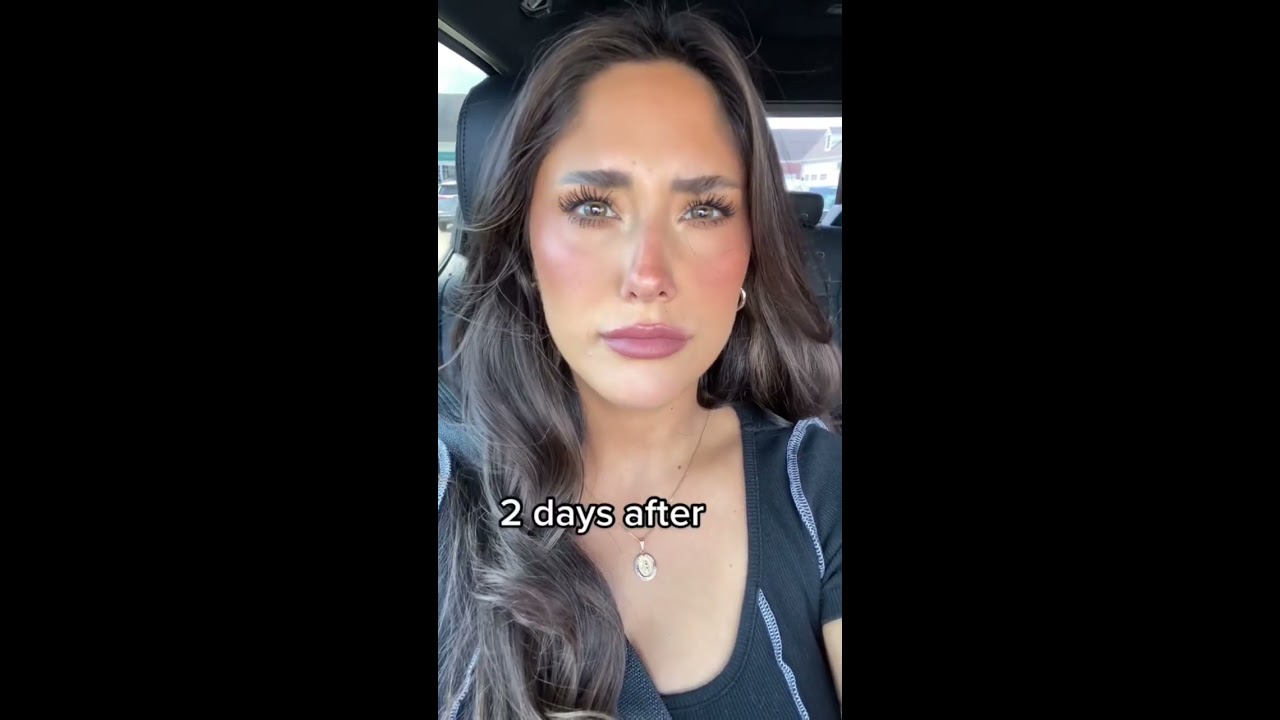
When patients tell me they have a reunion on Saturday and it’s Tuesday, I reach for Dysport more often. Dysport tends to “kick in” a touch faster. Many people feel a change by day 2 or 3. Botox typically starts softening movement around day 3 to 5. Both reach a steady result by two weeks, which is why your botox consultation usually includes a two-week follow-up and why the botox results timeline matters for planning events.
If early smoothing is a priority, Dysport can create that earlier win. If your schedule allows a full two weeks before a big event, either is fine. I still avoid last‑minute full face work. Even when onset is quick, you need time to spot any asymmetry and allow for a small botox touch up.
Diffusion and precision, or how “spread” shows on the face
Dysport has a reputation for a slightly wider spread per unit. That can be a feature or a bug. On a broad male forehead with strong kinetic lines, a subtly wider halo of relaxation can give cleaner, more even botox smoothing with fewer injection sites. Around the crow’s feet, I often see that petal softening arrive sooner with Dysport.
On the flip side, small high-precision targets like a botox lip flip, a tiny tweak to chin dimpling, or just the lateral tail for a botox eyebrow lift often steer me toward Botox. Botox behaves predictably https://www.google.com/maps/d/u/0/embed?mid=1Vw9jIwSIuX_z3NKbEEostuHLF3tVHkw&ehbc=2E312F&noprof=1 in micro-aliquots, and its tighter diffusion helps protect delicate functions like speech and smile balance. If you’re anxious about a heavy brow or you’ve had botox gone wrong in the past, Botox’s tighter radius can feel safer.
A real example: a violinist in her forties wanted her 11s softened but preserved the ability to furrow slightly while concentrating. We placed micro‑aliquots of Botox in a pattern that took the edge off without freezing her mid-brow. Six weeks later her botox reviews were glowing, and her expression felt natural to her. That is the sweet spot for precision work.
Dosing equivalence and why unit counts don’t translate 1:1
Many people compare botox cost by asking how many botox units are needed. This can mislead because Dysport is labeled differently. A common clinical conversion is roughly 2.5 to 3 Dysport units for every 1 Botox unit in the same area. Not all injectors use the same ratio, and not all faces need the same volume per square centimeter. This is why “40 units for my friend” is not a reliable benchmark for your brow.
For context, a typical full forehead and frown area might require 30 to 50 Botox units in most adults, with a range based on forehead height, hairline, and baseline muscle mass. The same area with Dysport could land around 75 to 150 units, adjusted by the injector’s technique. The point is not the exact number but that the result depends on where and how the units are placed, not the label count.
Longevity, touch ups, and a realistic maintenance schedule
Both products generally last 3 to 4 months. A few people stretch to 5 or 6 months in areas where the muscle is relatively weak or they prefer softer movement. First timers metabolize a bit faster because the muscle is still strong. For baby botox and mini botox clients who want just enough softening to prevent etching, shorter intervals can make sense.
If your goal is preventative botox for aging prevention, aim for regular botox maintenance before full movement returns. A common schedule is botox every 3 months in the first year, then stretching to every 4 months if your botox longevity holds. For larger muscles like the masseter, used for botox masseter reduction and jawline slimming, results often last 4 to 6 months. Neck bands and a refined botox neck lift can sit in the 3 to 4 month range, sometimes shorter in athletes with strong platysmal pull.
People who respond to Dysport sometimes describe a strong early freeze that fades a bit sooner. People loyal to Botox often report a more gradual curve with a steady plateau. Both patterns are normal. Your own metabolism, activity level, and injection pattern decide most of the story.
Natural look vs frozen: it’s not the brand, it’s the plan
If you’ve seen botox overdone or a Spock brow, you’ve seen placement or dosing that didn’t match the face’s anatomy. A natural look comes from mapping your muscle vectors, controlling depth, and segmenting doses. Botox and Dysport both deliver natural results when applied with those principles.
I encourage small expressive zones to remain active. Foreheads like movement near the hairline, crows like a tiny smile flare near the zygoma. A true botox natural look is less about “fewer units” and more about placing the right units in the right micro‑areas. When clients request botox for men, I account for heavier corrugator and frontalis dynamics and avoid feminizing the brow unless requested.
I do small top ups at 2 weeks if needed. Touch ups are not failures, they are part of tailoring. Tiny asymmetries show when swelling settles. A measured botox top up aligns you with your photogenic baseline and protects against overcorrection.
Special targets where product choice matters
Under eyes: The under eye is risky if you chase crepe lines with toxin alone. For botox for under eyes or a botox facial approach with micro‑dosing, I prefer Botox and stay extremely superficial and conservative. Some lines are better solved with skin quality work, retinol, and light resurfacing rather than muscle relaxation.
Lips: A botox lip flip uses small units to relax the orbicularis oris, rolling more pink forward. I reach for Botox here because I want tight control and minimal spread to avoid sipping or staccato speech changes.
Masseter: For botox jawline shaping and bruxism relief, both brands work, but I often use Dysport in strong masseters because diffusion helps cover the broad, dense muscle with fewer injections. For smaller faces with high cheek mobility, Botox can be safer to limit spread to the zygomatic muscles.
Gummy smile and smile lines: Targeting the levator labii and DAO requires precise, low dosing. Botox is my default. It is also my pick for tiny tweaks like botox chin dimpling.
Forehead and frown lines: Either brand works well. On tall foreheads with long frontalis, Dysport can give a smooth sheet. On short foreheads with low brows, Botox’s tighter action helps prevent drop. For botox for frown lines and the glabella complex, both brands are reliable if corrugator depth is respected.
Crow’s feet: Mild to moderate lines respond beautifully to either. For wider smile patterns, Dysport can deliver even softening. For fine control near the lateral canthus in photo‑sensitive clients, Botox edges ahead for me.
Procedure flow and what good technique looks like
A thorough botox consultation includes medical history, photography, and a few functional tests. I ask you to raise brows, frown, smile, and squint. I mark injection sites while you animate and at rest. I also ask about any botox for migraines or botox for excessive sweating you may have had, and any previous botox brands you liked or disliked.
During the botox procedure, a fine needle and slow, steady hands matter more than the brand. Reconstitution volume matters too. I favor a moderate dilution that supports smooth placement and predictable spread. Ice, a vibration tool, and strategic breathing keep the botox pain level low. The treatment itself usually takes 10 to 20 minutes.
As for botox aftercare, I recommend staying upright for 4 hours, avoiding strenuous exercise that day, and skipping facials or heavy pressure for 24 hours. A gentle botox skincare routine afterward can include hyaluronic acid and a bland moisturizer. Hold off on strong acids and retinol on treatment night. Resume retinol the next evening unless your skin feels irritated.
Side effects, safety, and the “what if”
Short term botox side effects include small bumps, pinpoint bruises, headache, or a tight feeling as the product settles. These typically fade within 24 to 72 hours. A rare but real risk is eyelid or brow ptosis, often from either product tracking into the levator or treating too low on a lax brow. Good mapping reduces that risk. If mild heaviness happens, we can use eyedrops temporarily while the area recovers.
Both Botox and Dysport are FDA approved for several cosmetic and therapeutic uses. With a certified injector, both are considered botox safe. Still, not everyone is an ideal candidate. If you are pregnant, breastfeeding, or have certain neuromuscular disorders, you should wait. During botox consultation questions, be candid about supplements, blood thinners, and any history of eyelid surgery.
Complications are unusual, but when botox corrections are needed, time is your ally. Toxin wears off. Strategic counter‑injections can rebalance movement in many cases. “Botox gone wrong” photos on social media often reflect extremes that don’t represent everyday outcomes in a reputable botox clinic.
Cost, value, and how to compare quotes
Botox cost and Dysport cost vary by city, injector experience, and how practices bill. Some charge per unit, others by area. Per‑unit pricing for Botox might range from about 10 to 20 dollars. Dysport per‑unit numbers look lower but remember the units are not 1:1. This is why botox reviews or ads that promise full face at a flat price can be misleading.
For budget planning, think in ranges per area. A frown line treatment may be 250 to 500 dollars. A full forehead plus crow’s feet might be 450 to 900 dollars. Masseter reduction can run higher due to the number of units. A careful injector will show you a plan for today and a botox maintenance schedule so you can set expectations for the year.
I always tell first timer clients: shop skill, not just price. You’re buying judgment and anatomical familiarity at the needle tip. If you’re searching “botox near me,” look for consistent photography, transparent discussion of botox side effects, and a nuanced approach to botox and dermal fillers when volume loss is part of your concern.
Botox vs Dysport vs Xeomin vs Jeuveau
You’ll hear about other botox brands. Xeomin is incobotulinumtoxinA, often described as “naked” because it lacks accessory proteins. Jeuveau is prabotulinumtoxinA, styled for the New York botox aesthetic market. Both work. If you’ve had a varied response to one brand or are exploring botox alternatives within the toxin family, your injector may suggest trying Xeomin for a cleaner protein profile or Jeuveau for a fast onset feel. Most people can switch among botox vs xeomin vs jeuveau without issue. The choice still hinges on your anatomy and goals more than marketing tags.
When filler belongs in the plan
People often compare botox vs fillers as if they compete. They usually complement each other. Botox for wrinkles caused by movement works. Dermal fillers restore volume and structure, improving static lines that remain at rest. A deep glabellar line etched over years may need both: botox muscle relaxation to stop the crease and a light filler pass to lift the line. The same goes for smile lines and mid‑face flattening, where a botox filler combination can refresh the face more naturally than either alone.
If you want botox for face smoothing but you’re bothered by hollowing or skin laxity, make room for skin quality work, collagen stimulation, or subtle filler when appropriate. Botox skin tightening is a misnomer; it can soften fine lines, but it doesn’t replace the skin’s scaffolding.
Building a plan for aging prevention
Preventative botox doesn’t mean starting as early as possible, it means intervening when lines first linger after movement. That’s the window where mini doses prevent etching. A solid botox maintenance plan aligns with your expression patterns. If your brow lifts each time you speak, your frontalis will etch lines faster than your friend who barely animates. Customize your botox timeline. Many clients like a botox every 3 months rhythm at first, shifting to botox every 6 months for lighter zones once lines stay soft.
Pair toxin with smart habits. Daily SPF, steady retinol use if you tolerate it, and hydration are unglamorous but high‑yield. If you’re using both botox and retinol, skip retinol the treatment night and resume gently. For sensitive skin, alternate nights and watch for irritation.
Managing expectations for first timers
Your first botox experience is part art, part education. Expect a few days where your face feels different, as if a headband were lightly on your forehead. Small bruises happen, usually hidden well with makeup by day two. Plan treatments when you can have 24 hours of relative downtime to avoid sweating or facials. If travel or a big presentation is coming, schedule 2 to 3 weeks ahead.
The best botox before and after sets show relaxed, softened movement while the person still looks like themselves. This sounds obvious, but people chase “no lines at all,” then miss their expression. I keep a few client anecdotes handy. One executive loved his ultra‑smooth forehead, but his team asked if he was angry in meetings because his brows didn’t lift. We dialed back the next session, kept the 11s soft, and preserved a thin band of movement across the upper frontalis. His feedback flipped.
When I favor Botox, when I favor Dysport
This is where most people want a crisp answer, and I can give a practical one.
- I favor Botox when I need tight control: lip flip, gummy smile, micro‑aliquots around the mouth and chin, cautious brow lifts on short foreheads, and small corrections after a previous heavy result. I favor Dysport when I want a faster onset or a broader, even relaxation across wide muscles: large foreheads, robust crow’s feet, strong masseters, and athletic faces with high baseline tone.
Either way, I adjust dilution and injection pattern to your anatomy. If you’ve had a great experience with one, loyalty makes sense. If you’re new or unsure, we can choose based on your event schedule and your risk tolerance for spread.
Addressing common myths with facts
There are a few botox myths that deserve a clean sweep. You won’t age faster when it wears off. You won’t become immune after a couple of treatments. Antibody formation is rare and more associated with very high cumulative doses over long periods. You do not have to freeze your entire face to get a botox confidence boost; good plans preserve expression. If you stop, your face returns to your baseline movement and aging trajectory, not worse. Botox effects duration is finite. And botox is not a replacement for good sleep, sunscreen, and skin care, it’s an adjunct.
How to prepare and what to ask at your consultation
Arrive with a clean face, a list of medications and supplements, and a sense of your aesthetic goals. Bring photos where you like your expression. Tell me what you want to keep, not just what you want to erase. Ask about product choice, expected botox units, recovery tips, and a plan for asymmetry. If you’re combining botox and skincare treatments like peels or lasers, coordinate timing. If you are needle‑shy, ask for ice, numbing, or a vibration device that gates pain signals.
For people who clench, mention headaches and jaw fatigue. You might benefit from botox for migraines or functional masseter dosing that doubles as a contouring treatment. For those who sweat through shirts, botox for excessive sweating in the underarms can be life changing, with 4 to 6 months of relief on average.
What a maintenance year could look like
A patient in her late thirties, high‑stress tech job, photogenic on Zoom, wants softening of the forehead, 11s, and crow’s feet with a natural look. We plan three to four sessions per year. Session one: 12 units in the glabella, 10 to 12 units across the forehead, 8 to 12 per side for the crow’s feet. We pause and re‑assess at two weeks for a tiny touch up if one side wins. Session two and three: repeat with slight tweaks based on her feedback about botox effects on face movement. By the third session, we may stretch the crow’s feet interval if lines stay soft. Annual costs stabilize because we’re refining, not guessing.
A man in his forties with a square jaw and heavy corrugators wants to look less stern. We choose Dysport for broad coverage, especially in the frontalis, and keep expression at the tail of the brow. For the masseter, we discuss staged dosing to avoid chewing fatigue. He returns at four months smiling, still looking like himself, and his partner notices his jowls look less heavy due to reduced clenching. That’s botox facial rejuvenation by synergy, not a single area fix.
Final guidance if you’re deciding today
If you need speed and broad softening, Dysport often feels rewarding early. If you need precision and are sensitive to spread, Botox gives tighter control. If you’re truly on the fence, your injector’s hands and plan trump the label on the vial. Choose the pro who maps your face, explains trade‑offs, and welcomes a two‑week check.
For those who love data, track your botox results with photos on day 2, day 7, and day 14. Note the day you first sense re‑activation and the day lines reappear at rest. Bring that timeline to your next appointment. Over a year, you’ll learn whether botox every 3 months or every 4 months fits you, and whether switching between brands changes your onset, diffusion feel, or longevity.
Below is a compact checkpoint to help you match product traits with goals.
- Want faster onset, softer edges over wide areas, or treating large muscles like the masseter: consider Dysport. Want micro‑control, lip or smile tweaks, cautious brow lifting on short foreheads, or a history of spread‑sensitivity: consider Botox.
An aesthetic plan is a moving target. Skin changes, stress changes, and faces respond to attention. Whether you pick Botox or Dysport, start with realistic expectations, keep your maintenance consistent, and treat the rest of your routine with the same respect. That is how you get the smooth skin, the subtle rejuvenation, and the confidence boost that shows up in real life, not just under ring light.